
Understanding DIY Electrical Repairs and When to Call a Licensed Electrician for Home Renovations
Introduction: The Importance of Safe Electrical Work in Home Renovations
Home renovations are an exciting way to add value, comfort, and personal style to your living space. While painting a wall or installing new flooring often comes to mind, electrical work frequently features on the renovation checklist. Whether you’re upgrading lighting, adding more outlets, or renovating your kitchen, dealing with electrical systems is inevitable. However, electrical work is not only about convenience—it’s a matter of safety.
Many homeowners wonder which electrical projects they can handle themselves and which should be left to a licensed electrician. This comprehensive guide will help you understand the difference, providing expert tips, safety precautions, and insight into the risks and legal considerations.
- Why Electrical Safety Is Crucial in Home Renovations
- DIY Electrical Work: What Projects Are Safe for Homeowners?
- 1. Replacing Light Bulbs and Fixtures
- 2. Installing or Replacing Switch Plates and Outlet Covers
- 3. Replacing Electrical Outlets (With Caution)
- 4. Installing Dimmers or Smart Light Switches
- 5. Changing Light Fixtures
- 6. Replacing a Doorbell or Smoke Detector
- 7. Running Low Voltage Wiring
- 8. Resetting Tripped Breakers or GFCIs
- Advanced or Dangerous Electrical Projects: Call a Licensed Electrician
- 1. Upgrading or Replacing Electrical Panels
- 2. Installing New Circuits or Subpanels
- 3. Whole-House Rewiring
- 4. Working with Aluminium Wiring
- 5. Installing Ground Fault Circuit Interrupters (GFCIs) and Arc Fault Circuit Interrupters (AFCIs)
- 6. Outdoor Electrical Work
- 7. Wiring Hot Tubs, Spas, or Appliances
- 8. Troubleshooting or Repairing Live Circuits
- Legal Requirements and Permits for Electrical Work
- Home Inspection and Insurance Considerations
- How to Find a Qualified Electrician for Your Home Renovation
- Questions to Ask Before Hiring an Electrician
- Essential Safety Tips for Homeowners Doing Electrical Work
- Common Electrical Mistakes to Avoid
- Frequently Asked Questions About DIY Electrical Work
- Optimising Your Home Renovation Website for Electrical Content
- Conclusion: Know Your Limits and Prioritise Safety
Why Electrical Safety Is Crucial in Home Renovations
Electrical safety is a top priority in any home improvement project. Electrical malfunctions are a leading cause of house fires and can result in severe injury or death. Faulty wiring, improper installations, or outdated electrical panels may put your home and family at risk. Knowing your limitations and following safety regulations not only protects you but also ensures your renovation meets local building codes and passes inspections.
Key Reasons Electrical Work Is Risky
- Electric Shock: Unprotected contact with live wires can result in severe or fatal electric shock.
- Fire Hazard: Poor connections or overloaded circuits can ignite fires behind walls or ceilings.
- Code Violations: Non-compliant electrical installations may void insurance and reduce home value.
- Legal Issues: Some regions require permits and inspections for electrical work.
DIY Electrical Work: What Projects Are Safe for Homeowners?
Many homeowners are comfortable with basic do-it-yourself projects. With the right tools and knowledge, some minor electrical tasks are generally safe for DIY enthusiasts. Always turn off the power at the breaker box before beginning any electrical work, use appropriate personal protective equipment, and double-check your work with a voltage tester.
1. Replacing Light Bulbs and Fixtures
Swapping out burnt bulbs or changing a ceiling light fixture is typically safe, provided you cut the power at the breaker and follow manufacturer instructions. Upgrading to LED bulbs for energy efficiency is a popular DIY project.
2. Installing or Replacing Switch Plates and Outlet Covers
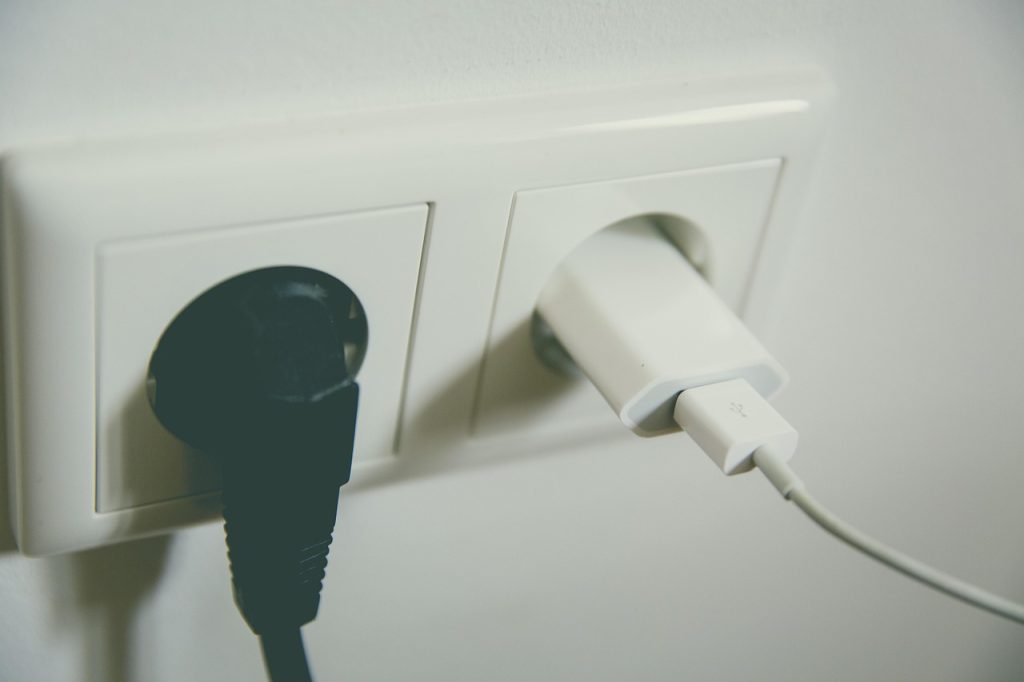
Changing wall plates is among the simplest electrical tasks. It involves no wiring and can be done with just a screwdriver for an instant style update.
3. Replacing Electrical Outlets (With Caution)
Upgrading old or discoloured outlets can be a straightforward project if you are methodical and turn off the circuit. It’s important to ensure that the replacement outlet matches the amperage and voltage of the wiring.
4. Installing Dimmers or Smart Light Switches
For those comfortable working with wires, installing a dimmer switch or a WiFi-enabled smart switch is often manageable. Always follow step-by-step instructions, and confirm compatibility with your home wiring.
5. Changing Light Fixtures
Swapping out a basic light fixture for a new one often just involves connecting the correct wires: live, neutral, and ground. Be sure to use wire nuts and check for secure connections.
6. Replacing a Doorbell or Smoke Detector
Most doorbells and smoke alarms are battery-powered or use low voltage wiring, making them safe for DIY installation or replacement. Make sure to test devices after installation.
7. Running Low Voltage Wiring
Running new lines for speakers, internet cables, or security cameras usually involves low voltage wiring and is considered safe for most homeowners.
8. Resetting Tripped Breakers or GFCIs
If a breaker trips or a GFCI outlet pops, simply resetting it is safe. However, repeated tripping may indicate a deeper issue, so monitor the situation closely.
Advanced or Dangerous Electrical Projects: Call a Licensed Electrician
Some electrical tasks are highly complex, involve significant risks, or are prohibited by law for unlicensed individuals. These projects require a deep understanding of electrical codes, professional tools, and experience. Attempting these projects as a DIYer can endanger your home and safety.
1. Upgrading or Replacing Electrical Panels
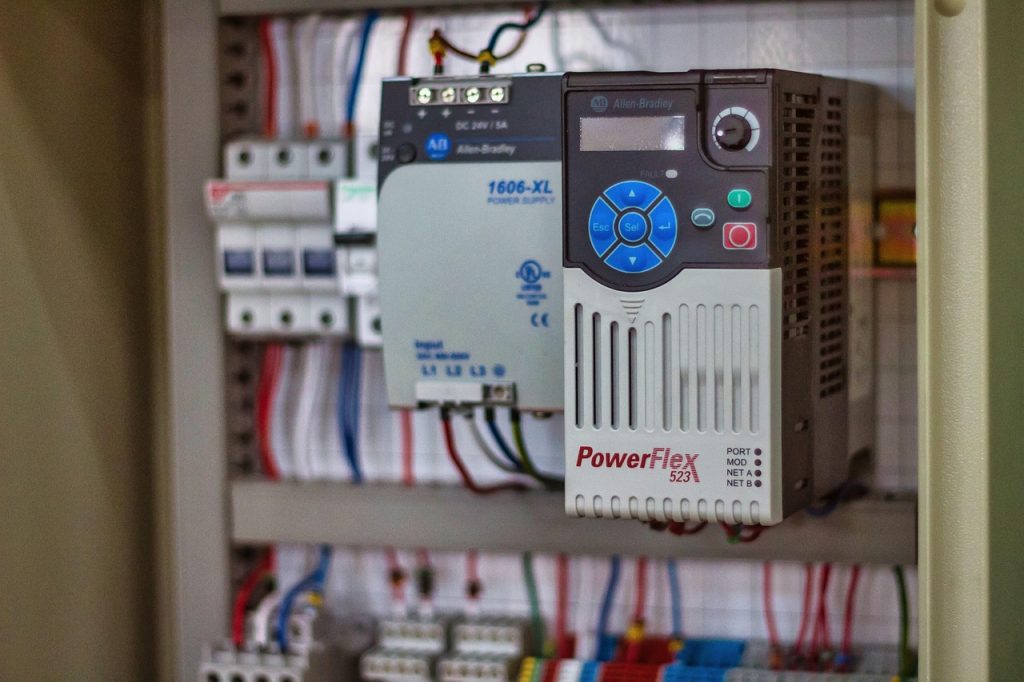
Service panels control the distribution of electricity throughout your home. Upgrading or replacing a panel involves managing live power lines and high amperage—the risk of arc flash or electrocution is significant. This is a job only for licensed professionals.
2. Installing New Circuits or Subpanels
Adding a new circuit or subpanel requires proper load calculations, wire sizing, and circuit protection. Errors can lead to overloading, fire, or code violations. Always hire a certified electrician for these projects.
3. Whole-House Rewiring
Rewiring an entire home involves removing old wires, installing new ones, and ensuring proper grounding and bonding throughout. Mistakes can cause hidden hazards behind walls or ceilings. Professional electricians ensure the job is up to code.
4. Working with Aluminium Wiring
Homes built in the 1960s and 1970s sometimes contain aluminium wiring, which poses unique risks such as increased fire hazards due to loose connections or corrosion. Repairs or modifications should be left to electricians familiar with these systems.
5. Installing Ground Fault Circuit Interrupters (GFCIs) and Arc Fault Circuit Interrupters (AFCIs)
While replacing an existing GFCI is a manageable DIY project, installing new GFCI or AFCI circuits in the panel requires expertise. These safety devices protect against electrical shocks and fires, and must be installed according to code.
6. Outdoor Electrical Work
Running wiring to outdoor areas, sheds, or pools involves exposure to weather and moisture. These jobs require specialised weatherproof materials and methods to prevent shock and ensure durability. Improper installations can be deadly.
7. Wiring Hot Tubs, Spas, or Appliances
Major appliances require dedicated circuits and precise wiring. Hot tubs and spas in particular draw significant power and are often located near water, increasing risk. Proper installation is critical to avoid shocking hazards.
8. Troubleshooting or Repairing Live Circuits
Diagnosing or repairing problems in live circuits is extremely dangerous without the right training and equipment. Even turning the wrong breaker back on can cause harm if the fault isn’t isolated.
Legal Requirements and Permits for Electrical Work
In many regions, electrical work is strictly regulated. Homeowners are often required to obtain permits for anything beyond simple repairs. Unpermitted work can lead to fines, insurance claim denials, and difficulty selling your home. Always check with your local authority or municipality before starting any substantial electrical work.
Home Inspection and Insurance Considerations
Electrical upgrades or renovations are often subject to inspection before a home sale or insurance renewal. Non-compliant work may require expensive corrections and delay real estate transactions. Hiring a licensed electrician ensures peace of mind and protects your investment.
How to Find a Qualified Electrician for Your Home Renovation
When it’s time to hire a professional, look for a licensed, insured, and experienced electrician. Ask for references, check online reviews, and confirm their credentials with the relevant regulatory body. Don’t be tempted by cut-rate handymen who lack proper certifications—your safety is worth the investment. Search for Electricians in my local area.
Questions to Ask Before Hiring an Electrician
- Are you licensed and insured for residential electrical work?
- How many years of experience do you have?
- Can you provide references from similar projects?
- Will you obtain the necessary permits and arrange inspections?
- What safety protocols do you follow on the job?
Essential Safety Tips for Homeowners Doing Electrical Work
- Always turn off the power at the breaker box before starting any work.
- Use a voltage tester to verify wires are not live.
- Wear insulated gloves and rubber-soled shoes.
- Never work in wet or damp conditions.
- Follow manufacturer instructions and local codes.
- Label wires and take photos before disconnecting anything.
- If in doubt, stop and seek professional help.
Common Electrical Mistakes to Avoid
- Overloading outlets with too many devices or power strips
- Using the wrong gauge of wire for a new outlet or circuit
- Failing to connect ground wires
- Leaving exposed wires without proper wire nuts
- Ignoring flickering lights or frequently tripped breakers
- Not securing wires properly or using outdated wiring methods
Frequently Asked Questions About DIY Electrical Work
Can I legally do my own electrical work?
Regulations vary by location. In many areas, homeowners can perform minor repairs but need permits and inspections for new installations or major upgrades. Check with your local building department for specific rules.
What are the signs of electrical problems in my home?
Watch for flickering lights, frequently tripped breakers, buzzing outlets, burning smells, or warm outlets and switches. These can indicate unsafe wiring and require immediate attention from a professional.
Is it safe to work on wiring if I turn off the breaker?
Turning off the breaker is essential, but always double-check with a voltage tester. Some circuits may be mislabeled or cross-wired.
How much does it cost to hire an electrician?
Costs vary depending on the project’s complexity. Small jobs like replacing an outlet or switch may cost $100–$200, while panel upgrades or rewiring can run several thousand dollars. Always get a written estimate.
Do I need GFCI or AFCI protection?
Most building codes require GFCI protection in kitchens, bathrooms, laundry rooms, garages, and outdoors. AFCI protection is typically required in bedrooms and living areas of newer homes.
Optimising Your Home Renovation Website for Electrical Content
To attract visitors searching for electrical renovation advice, incorporate high-ranking keywords throughout your content, such as:
- DIY electrical projects
- Home electrical safety
- Licensed electrician near me
- Electrical panel upgrade
- Safe wiring practices
- Electrical code compliance
- Electrical inspection tips
- Hazardous electrical work
- Electrical permit requirements
- Residential wiring tips
- DIY vs professional electrical work
- House rewiring safety
- Smart home electrical upgrades
Writing clear, long-form articles and updating regularly with new safety standards and technology trends can boost your site’s authority and visibility on search engines.
Conclusion: Know Your Limits and Prioritise Safety
Electrical work is a critical part of home renovations, with some tasks perfect for enthusiastic DIYers and others best left to experienced professionals. Knowing when to pick up the screwdriver and when to call a licensed electrician can save money, ensure your family’s safety, and protect the value of your home.
Whether you’re changing a light fixture or planning a major renovation, always put safety first, follow electrical codes, and consult experts when in doubt. With this knowledge, your home renovation project will light up your life—safely and successfully.