
Introduction: Why Knowing Your Home’s Materials Matters
Home renovations can be an exciting adventure, but it’s essential to start with a solid foundation—literally! Understanding the building materials that make up your space is crucial for ensuring structural integrity and long-term success in any renovation project. Whether you’re planning a small update or a complete overhaul, knowing what lies behind those walls will help you avoid costly mistakes and maximize efficiency.
From identifying wall types to assessing floor systems, every detail matters. A pre-renovation inspection isn’t just about aesthetics; it’s also about safety, compatibility, and maintaining your property’s value. So, let’s dive into the world of building materials and uncover what they mean for your upcoming home renovation journey!
- Decoding Your Walls: Identifying Construction Types
- Single Brick Walls: Characteristics and Considerations
- Double Brick Walls: Strength and Thermal Properties
- Cladding Systems: Types and Installation
- Timber Frame Walls: Understanding Stud Construction
- Identifying hidden problems such as asbestos
- Floors Beneath Your Feet: Recognizing Foundation Types
- Roofing Revealed: Understanding Your Roof Structure
- Material Differences: What They Mean for Your Renovation
- Cost Considerations: How Materials Impact Your Budget
- Making Material Changes: Feasibility and Considerations
- Building Regulations and Permits: What You Need to Know
- Conclusion: Renovate with Confidence Through Material Knowledge
Decoding Your Walls: Identifying Construction Types
Understanding your walls is crucial for any home renovation. Different construction types influence not only the aesthetics but also structural integrity and insulation properties.
Single brick walls are quite common in older homes. They provide decent strength but may lack insulation, leading to energy inefficiency.
Double brick walls offer more robust support and better thermal performance, making them a favourite in colder climates. Their design creates an air gap that enhances insulation.
Cladding systems can vary significantly, with materials like vinyl or metal providing different looks and benefits. Installation methods differ too, affecting maintenance needs over time.
Timber frame walls create warmth and character while allowing flexibility in design changes. However, they require careful inspection for issues such as moisture damage or pests.
Each wall type presents unique characteristics that impact your renovation choices—knowing these helps you make informed decisions ahead of time.
Single Brick Walls: Characteristics and Considerations
Single brick walls are often found in older homes. They present a distinctive charm but come with specific characteristics worth noting.
One main feature is their limited insulation properties. Single brick offers some thermal mass, but it can struggle against extreme temperatures without additional insulation. This could affect your comfort and energy costs.
Moisture penetration is another concern. Without adequate moisture barriers or protective coatings, water damage can quickly compromise structural integrity.
Inspecting for cracks or signs of wear should be part of your property assessment before renovations begin. These issues may require specialized repair techniques to maintain the wall’s strength.
Aesthetic appeal also plays a role in renovation planning; exposed brick adds character to any space. However, ensure that its condition aligns with your design goals for effective home maintenance moving forward.
Double Brick Walls: Strength and Thermal Properties
Double brick walls consist of two layers of bricks separated by a cavity. This design offers exceptional strength, making them highly resilient against external forces. They provide better protection from extreme weather conditions compared to single-layer options.
The thermal properties of double brick walls are noteworthy. The air gap in the middle acts as an insulator, reducing heat transfer between inside and out. This means your home stays warmer in winter and cooler in summer without relying heavily on heating or cooling systems.
Moreover, these walls help minimize noise pollution. The additional mass absorbs sound more effectively than thinner wall types. Homeowners benefit from a quieter living environment while enjoying energy efficiency.
However, it’s essential to consider potential moisture issues within the cavity if not correctly ventilated. Regular inspections can ensure that these hidden challenges don’t compromise their performance over time.
Cladding Systems: Types and Installation
Cladding systems play a vital role in protecting your home while enhancing its aesthetic appeal. There are various types to consider, each with distinct characteristics.
Vinyl cladding is popular for its low maintenance and versatility. It’s lightweight and available in numerous colours and styles.
Wood cladding offers warmth and natural beauty but requires regular upkeep to prevent rot. It brings character to any design, making it a favourite among homeowners aiming for a rustic feel.
Metal options like aluminium or steel provide durability and modernity. They resist harsh weather conditions, making them ideal for longevity.
Installation varies by material but generally involves attaching panels over sheathing or directly onto framing. Proper sealing around joints is crucial to ensure water resistance, preventing moisture infiltration that could compromise structural integrity.
Timber Frame Walls: Understanding Stud Construction
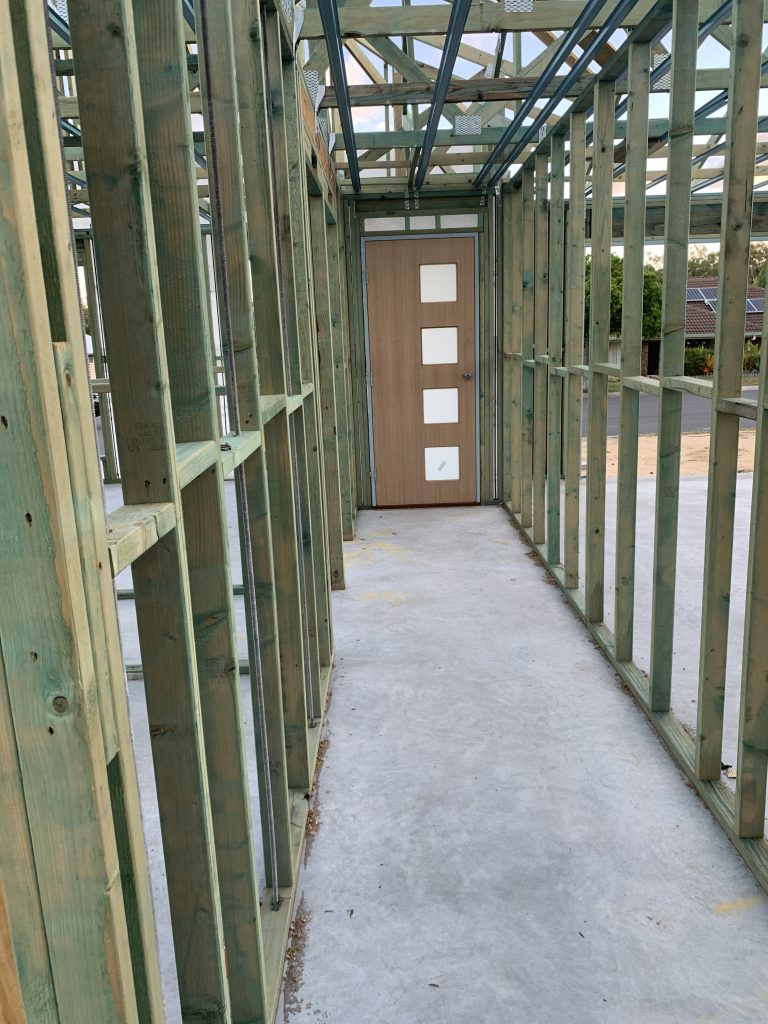
Timber frame walls have long been a popular choice in home construction. Their lightweight design makes them easy to work with, allowing for quicker builds and renovations.
Stud construction is at the heart of this method. Vertical wooden studs form the framework, providing both structural support and space for insulation or utilities. This creates an efficient barrier against temperature fluctuations.
The flexibility of timber frames allows for creative architectural designs. Curved walls or open spaces become feasible without compromising overall strength.
However, it’s vital to ensure proper moisture barriers are in place when using timber materials. Wood can be susceptible to rot if not adequately protected from water damage.
Ventilation also plays a crucial role in maintaining integrity over time. Well-ventilated spaces reduce humidity buildup, preserving the wood’s durability and stability throughout its lifespan.
Identifying hidden problems such as asbestos
Hidden issues can be lurking within your walls, particularly when it comes to older homes. One of the most concerning is asbestos. This material was commonly used in insulation and various construction elements due to its fire-resistant properties.
If your home was built before the 1980s, there’s a chance that asbestos might be present. It often hides in places like ceilings, floor tiles, and around heating systems. The risk arises during renovation work when these materials are disturbed.
It’s crucial to identify any potential presence of asbestos before starting projects. A pre-renovation inspection by professionals can help detect this hazardous substance safely. They can assess areas you may overlook and recommend proper removal methods if necessary.
Don’t take chances with your health or safety; knowing what lies under your surfaces is key for a successful renovation journey.
Floors Beneath Your Feet: Recognizing Foundation Types
The foundation is the unsung hero of your home, supporting everything above it. Understanding different types can help you assess stability.
Concrete slab foundations are popular for their durability. They provide a solid base, but they can crack over time due to shifting soil or moisture issues.
Raised floors use joists and subfloor systems to create space underneath. This design allows for easier plumbing access and ventilation but requires careful inspection for pests or water damage.
Stilt foundations elevate a structure above ground level, ideal in flood-prone areas. However, they require regular maintenance to ensure stability against erosion.
Recognizing these foundational styles not only informs renovation choices but also highlights potential challenges like moisture barriers and insulation needs. Each type has unique characteristics that influence your property’s long-term health and value.
Concrete Slab Foundations: Advantages and Limitations
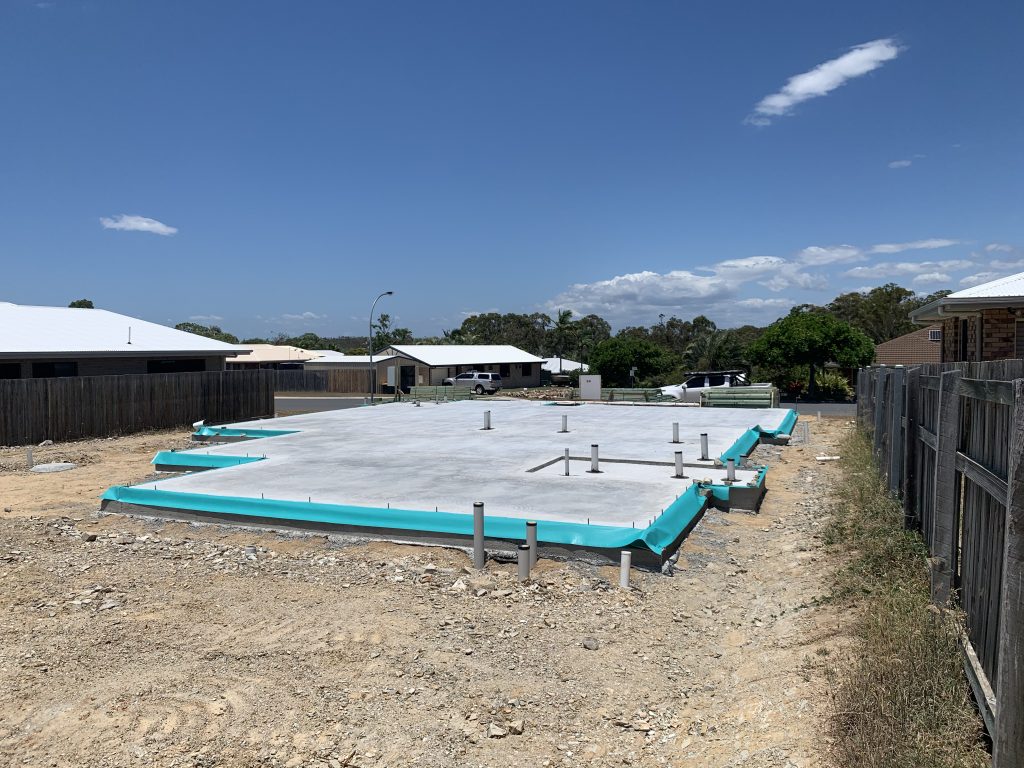
Concrete slab foundations are known for their durability and strength. They provide a solid base that can support heavy structures, making them ideal for various types of buildings. Additionally, they are resistant to shifting soil conditions, which helps reduce the risk of cracks over time.
However, there are limitations to consider. Concrete slabs lack crawl space or basement options, which may restrict access to plumbing and electrical systems beneath the floor. This can complicate repairs down the line.
Another aspect is insulation. While concrete provides natural thermal mass, it may require additional insulation in colder climates to maintain energy efficiency. Without proper moisture barriers, there’s also a potential risk of water damage if not installed correctly.
Understanding these advantages and drawbacks is essential when planning your renovation project around this foundation type.
Raised Floors: Joists and Subfloor Systems

Raised floors are a smart solution for many homeowners. These systems elevate the flooring above the ground, creating space for utilities and improving airflow.
Typically supported by joists, raised floors provide stability while allowing easy access to plumbing and electrical lines. This design makes repairs or renovations easier down the line.
Subflooring materials play a vital role in this setup. Plywood or oriented strand board (OSB) is commonly used to create a solid base that adds strength and insulation properties.
When assessing your raised floor system, check for moisture barriers beneath. They help prevent water damage and mould growth, safeguarding your home’s structural integrity.
Consider how these elements work together when planning your renovation. A well-constructed raised floor can enhance both comfort and functionality within your living space.
Stilt Foundations: Unique Features and Applications
Stilt foundations elevate a home above the ground, making them ideal for areas prone to flooding or heavy snow. This design allows water and debris to flow beneath, minimizing damage during harsh weather.
These structures often consist of concrete or wooden posts that support the house while providing ventilation underneath. The space created can also serve practical purposes like storage or outdoor living areas.
The aesthetic appeal of stilt homes is undeniable. They offer stunning views and create an airy atmosphere. However, they require careful planning and engineering to ensure stability against lateral forces like wind.
Installing a stilt foundation typically involves specialized techniques and materials. Understanding soil conditions is crucial; proper assessment will guide the choice between wood versus concrete stilts based on environmental factors and longevity needs.
Checking for moisture damage in flooring
Moisture damage in flooring can lead to serious issues if left unchecked. It often manifests as warping, discoloration, or even mould growth under the surface.
Start by inspecting visible areas. Look for any signs of bubbling or lifting planks. These are indicators that moisture has infiltrated your flooring material.
Don’t forget to check underneath carpets and rugs. A damp smell may signal deeper problems that aren’t immediately obvious.
If you have a crawl space or basement, examine those areas too. High humidity levels there can affect your floors upstairs.
Use a moisture meter for more precise readings on wooden floors. This tool helps identify hidden moisture levels before they escalate into costly repairs.
Addressing these concerns early on not only protects your investment but also ensures healthier indoor air quality for everyone in your home.
Roofing Revealed: Understanding Your Roof Structure
Your roof is more than just a barrier against the elements; it’s an integral part of your home’s structure. Understanding its anatomy can help you make informed decisions during renovations.
Roof types vary widely, from tiled roofs that offer aesthetic charm to sleek sheet metal options known for their durability. Each material has unique properties affecting lifespan and maintenance needs.
When examining your roof structure, pay attention to trusses and rafters. These components are crucial for supporting weight and ensuring stability.
Roof sheathing acts as a protective layer beneath the exterior finish, providing insulation and moisture barriers crucial for energy efficiency.
Regular inspections can reveal hidden issues like leaks or deterioration. Addressing these early prevents costly repairs down the line while maintaining structural integrity.
Tiled Roofs: Material Variations and Lifespan
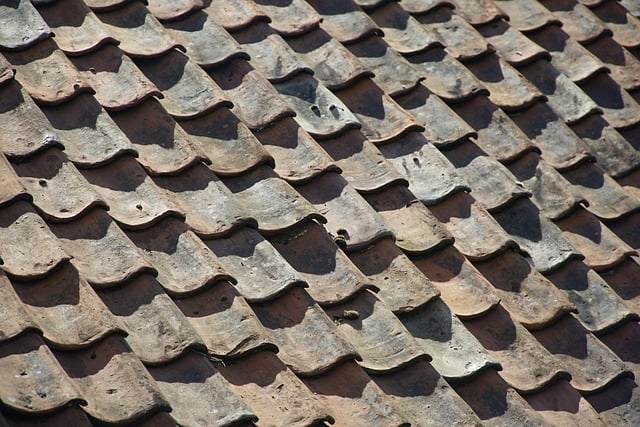
Tiled roofs are a popular choice for homeowners due to their aesthetic appeal and durability. They come in various materials, including clay, concrete, and slate. Each material offers unique advantages.
Clay tiles provide a classic look and exceptional longevity but can be heavy and require sturdy support structures. Conversely, concrete tiles are more affordable while mimicking the appearance of clay or slate without sacrificing strength.
Slate stands out for its elegance and lifespan—sometimes exceeding one hundred years—but it also comes with a premium price tag.
When considering a tiled roof, it’s essential to evaluate your local climate as well. Certain materials perform better under specific weather conditions, influencing both energy efficiency and maintenance needs over time. With proper care, tiled roofs can protect your home for decades while enhancing its curb appeal significantly.
Sheet Metal Roofs: Durability and Installation
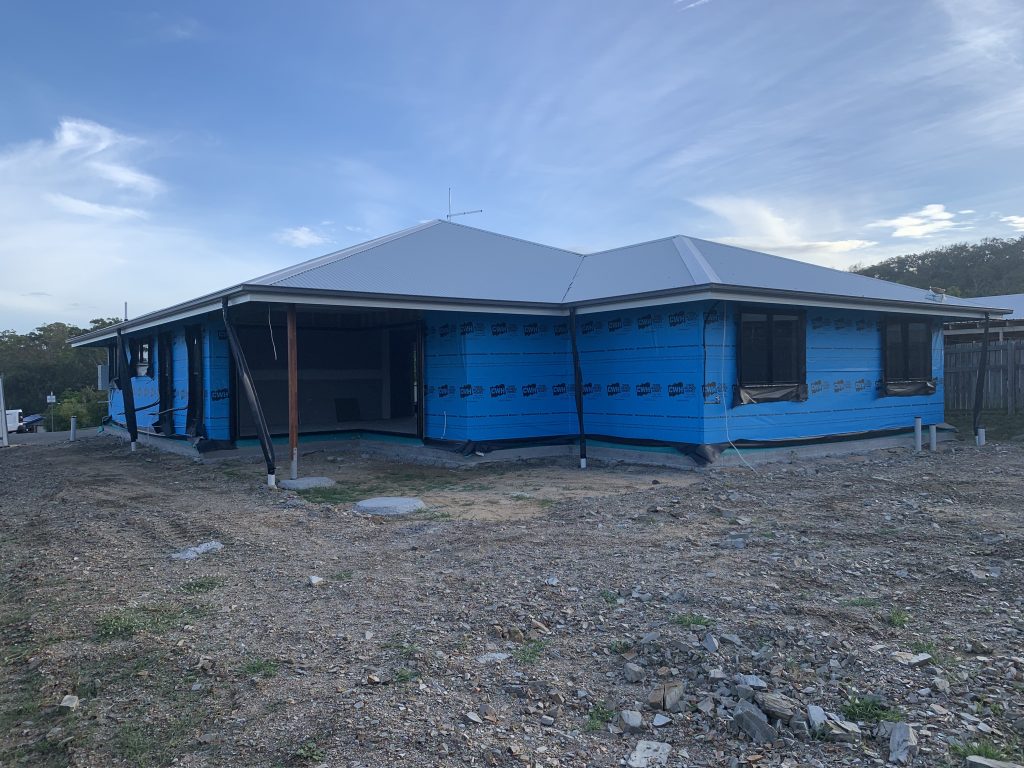
Sheet metal roofs are a popular choice for many homeowners seeking durability. They can withstand harsh weather conditions, making them ideal for areas prone to storms or heavy snowfall. Made from materials like steel or aluminium, these roofs boast impressive longevity.
Installation is typically straightforward, which can save time and labour costs. Sheets interlock seamlessly, providing excellent protection against leaks. Their lightweight nature simplifies handling during the installation process.
One significant advantage of sheet metal roofing is its energy efficiency. Reflective surfaces help reduce cooling costs in warmer climates by deflecting sunlight away from your home.
Regular maintenance involves checking seams and fasteners to ensure they remain secure. With proper care, you’ll enjoy a robust roof that enhances your property’s value while minimizing future repair needs.
Asphalt Shingle Roofs and other types
Asphalt shingle roofs are a popular choice for many homeowners due to their affordability and versatility. They come in a wide range of colours and styles, allowing for customization that can enhance your home’s curb appeal.
These shingles are made from a fiberglass mat coated with asphalt and topped with granules. This design provides good weather resistance while being relatively lightweight.
Other roofing types include metal, which offers longevity and durability; tile roofs, known for their aesthetic appeal but often heavier than other materials; and flat roofs, which require proper drainage systems to prevent water pooling.
Each option has its advantages depending on climate conditions, budget constraints, and personal style preferences. Understanding the unique properties of different roofing materials is essential for effective renovation planning.
Checking for roof damage and leaks
Your roof is your home’s first line of defence against the elements. Regular inspections are essential to catch damage early.
Start by visually assessing the exterior. Look for missing shingles or tiles, rust on metal roofs, and cracks in flashing. These areas can lead to serious leaks if not addressed promptly.
Don’t forget about the interior as well. Check ceilings for stains or discoloration that indicate moisture problems. Musty odours often signal hidden water intrusion.
A thorough inspection also means examining gutters and downspouts. Clogged systems can allow water to pool, damaging both roofing materials and underlying structures.
If you find signs of wear or potential leaks, act quickly. Small issues can escalate into costly repairs if ignored over time, compromising your home’s safety and integrity.
Material Differences: What They Mean for Your Renovation
When embarking on a home renovation, understanding material differences is crucial. Each material carries unique properties that can significantly impact your project.
For instance, the choice between timber and brick can determine how well your home retains heat or withstands external pressures. Brick offers durability but may require more substantial structural support compared to lighter timber frames.
Insulation levels also vary widely among materials, directly influencing energy efficiency and comfort. Using insulated sheathing with cladding can enhance warmth in colder climates.
Moisture resistance plays a pivotal role too, some materials like vinyl siding resist rot better than wood alternatives. Knowing this helps prevent future water damage during renovations.
Lastly, consider soundproofing qualities when selecting materials for walls and floors. Better insulation not only supports temperature control but also minimizes noise transfer throughout your living spaces.
Structural Implications: Load-Bearing Walls and Foundation Support
Understanding load-bearing walls is crucial when planning any home renovation. These walls bear the weight of the structure above them, including ceilings and roofs. Removing or altering a load-bearing wall without proper support can lead to structural instability.
Identifying which walls are load bearing often requires careful inspection. Typically, these walls run perpendicular to floor joists and are found in key locations throughout your home.
Foundation support plays an equally vital role. The foundation must be robust enough to handle the entire weight of your building materials and occupants. A faulty foundation can cause severe issues like cracking or shifting.
When renovating, consider consulting with professionals who can assess both wall types and foundation integrity effectively. This ensures that every part of your project aligns with safety standards while maintaining the overall health of your home’s structure.
Insulation and Energy Efficiency: Material Properties
Insulation plays a crucial role in energy efficiency. The right materials can significantly reduce heating and cooling costs.
Different insulation types have distinct properties. Fiberglass is popular due to its affordability and effectiveness, while foam boards offer superior thermal resistance for specific applications.
Cellulose, made from recycled paper, stands out for its eco-friendliness. It’s treated with fire retardants, ensuring safety without compromising sustainability.
Reflective or radiant barriers work by reflecting heat away from living spaces, making them ideal for warmer climates.
The material’s R-value measures its insulating ability; the higher the R-value, the better it resists heat flow. Knowing these values helps homeowners make informed choices during renovations.
Moisture resistance is another factor to consider. Some insulation types can absorb moisture and lead to mould growth if not installed correctly.
Choosing appropriate insulation ensures comfort throughout your home while maximizing energy savings over time.
Moisture Resistance and Durability: Material Considerations
When planning a home renovation, understanding moisture resistance is crucial. Certain materials naturally resist water better than others, which can significantly impact durability.
For instance, concrete and treated timber offer superior protection against rot and mould. These materials help maintain structural integrity in damp conditions. On the other hand, untreated wood can warp or decay when exposed to moisture over time.
Cladding options like vinyl are engineered to withstand the elements without deteriorating quickly. This makes them an excellent choice for long-lasting aesthetics and performance.
Don’t overlook insulation either; selecting moisture-resistant varieties will enhance your overall home’s lifespan while preventing issues like condensation buildup.
Consider how each material interacts with humidity levels in your region. It’s not just about appearance but also functionality that ensures your home remains safe and sound under varying weather conditions.
Soundproofing differences between the materials
Soundproofing is a crucial factor to consider during any home renovation. Different building materials offer varying levels of noise insulation.
Brick walls, for instance, excel in dampening sound due to their mass and density. They can effectively reduce outside noise, creating a quieter indoor environment.
Timber frames present a different scenario. While they are versatile and lightweight, they may not provide the same level of sound isolation as heavier materials like brick or concrete. However, with proper insulation techniques, timber structures can still achieve decent acoustic performance.
Cladding systems also impact soundproofing effectiveness. Vinyl or metal cladding may require additional insulation layers to enhance their noise-blocking capabilities.
Ultimately, understanding these differences empowers homeowners to choose the right materials for effective sound control—ensuring comfort without compromising style.
Cost Considerations: How Materials Impact Your Budget
When embarking on a home renovation, understanding the costs associated with building materials is essential. Each type of material brings its own price point that can significantly impact your budget.
Brick and timber often have different upfront costs. While brick offers durability, it may require higher initial investment compared to some wood options. On the other hand, cladding systems like vinyl or metal might lower material expenses but could lead to increased maintenance in the long run.
Labor costs also vary depending on the complexity of installation for each material. For instance, double brick walls demand more specialized skills than installing drywall or plasterboard.
Don’t forget potential hidden costs too! Issues such as asbestos removal or structural modifications can add unexpected expenses to your renovation project. Prioritizing thorough research can help you navigate these financial waters effectively.
Material Costs: Comparing Brick, Timber, and Cladding
When embarking on a home renovation, understanding material costs is crucial. Brick tends to be more expensive upfront due to its durability and aesthetic appeal. It offers excellent insulation properties but requires skilled labour for installation.
Timber presents a different scenario. While generally less costly than brick, it can vary widely depending on the type of wood used. Quality timber resources may elevate your budget, but their flexibility in design makes them popular among DIY enthusiasts.
Cladding options like vinyl or metal can provide cost-effective solutions without compromising style. Installation is often simpler and quicker compared to traditional materials, which can help save on labour costs.
Always consider long-term value as well. While cheaper materials might seem appealing initially, investing in quality could enhance your property’s longevity and marketability down the line.
Labor Costs: Installation and Modification Differences
Labor costs can vary significantly depending on the type of building materials used in your renovation. For instance, installing brick walls typically demands more skilled labour than working with timber or drywall. The intricacies involved in masonry work require specialized training and experience.
When it comes to modifications, altering structural elements like load-bearing walls is costlier than non-structural changes. This complexity often necessitates engineers or architects for guidance.
Additionally, different flooring systems influence labour expenses too. Removing a concrete slab involves heavy machinery and additional time compared to lifting lightweight subfloors made from timber joists.
Even minor alterations can lead to unexpected costs if hidden issues arise during installation. It’s wise to account for these variables when planning your project budget, as they play a crucial role in determining overall expenditure and timeline efficiency.
Potential Hidden Costs: Repairs and Modifications
When planning a home renovation, it’s crucial to factor in potential hidden costs. These can sneak up on even the most diligent homeowner.
Consider repairs that may not be immediately visible. Issues like water damage or outdated wiring can arise during demolition. This can lead to unexpected expenses that disrupt your budget.
Modifications also come with their own set of financial implications. Changing wall types or flooring might require additional supports or permits. Each alteration could introduce new challenges and therefore more costs.
Also, don’t overlook labour expenses associated with these changes. Some tasks may demand specialized skills, which means hiring professionals rather than relying solely on DIY methods.
Lastly, always allow for contingencies in your budget; they can save you from being blindsided by costly surprises later in the renovation process.
Making Material Changes: Feasibility and Considerations
When considering material changes during your home renovation, feasibility is key. Assess the existing structure first. Understanding the load-bearing walls and overall structural integrity will guide your decisions.
For instance, converting a double brick wall to a stud frame can create more space but requires careful planning. Structural support must be maintained to prevent issues down the line.
Additionally, think about compatibility with current materials. Mixing different types like timber and steel can affect insulation properties and energy efficiency.
Don’t overlook building codes either; they dictate what modifications are permissible in your area.
Lastly, consider potential disruptions during installation. Will you need temporary accommodations? What’s the timeline for completion? These factors play a significant role in deciding whether to proceed with material changes.
Converting Double Brick to Stud Frame: Structural Changes
Converting double brick walls to a stud frame involves significant structural alterations. This process usually starts with assessing the existing wall’s integrity. Double brick provides excellent thermal insulation and load-bearing capabilities, so you must carefully consider what you will lose.
Removing the heavy bricks requires proper support during the transition. Temporary bracing might be necessary to maintain stability until new framing is in place.
Stud frames are lighter but less robust than double bricks, affecting how your home handles weight and stress. Reinforcing elements may need installation if you’re modifying load-bearing sections.
Also, this conversion impacts insulation types used within walls. Adding modern materials can enhance energy efficiency but requires thoughtful integration into your design plans.
Always consult professionals to adhere to building codes and safety regulations throughout this intricate renovation journey.
Modifying Flooring Systems: Feasibility and Limitations
Modifying flooring systems can enhance your home’s functionality. However, understanding feasibility is crucial before starting any project.
Consider the existing structure and materials. Whether you have a concrete slab or raised floor, each system has unique characteristics that influence modifications.
For example, removing a subfloor may expose joists or plumbing that need careful handling. Altering support beams could compromise structural integrity if not planned correctly.
Additionally, assess local building codes when making changes to ensure compliance. Some regions require permits for significant alterations.
Budget considerations are also paramount; unexpected costs often arise during renovations due to hidden issues like outdated wiring or moisture damage in underlayment layers.
Careful planning and assessment will set the stage for successful improvements while minimizing risks associated with modifying flooring systems.
Roof Material Conversions: Planning and Regulations
When considering roof material conversions, planning is key. It’s essential to evaluate the existing structure and ensure it can support new roofing materials. Each type has unique weight distributions and installation requirements.
Local building codes play a significant role in this process. Regulations may dictate which materials are permissible based on climate, aesthetics, and safety standards. Always check with your local authority before making decisions.
Permits are often required for substantial changes like switching from asphalt shingles to tile or metal roofs. The application process can vary widely by region but typically involves submitting plans that demonstrate compliance with current regulations.
Additionally, consider consulting a professional contractor during this phase. Their expertise ensures you navigate complex regulatory landscapes while addressing structural integrity concerns effectively. This step will help prevent costly delays down the line as unforeseen issues arise during renovations.
Building Regulations and Permits: What You Need to Know
Navigating building regulations and permits is crucial before embarking on any renovation project. Each locality has its own set of rules, designed to ensure safety and structural integrity.
Understanding these regulations helps prevent costly delays or fines. It’s essential to check with your local council about specific requirements for your property type, as they can vary widely.
Permits often cover aspects like electrical work, plumbing changes, and structural modifications. Skipping this step could result in complications down the line.
Engaging a contractor consultation early in the process can help clarify what permits you need. They are familiar with local codes and can guide you through obtaining necessary approvals.
Always keep documentation organized. This will not only assist during inspections but also serve as valuable records for future maintenance or sale of your home.
DIY vs. Professional Assessment: When to Seek Expert Help
When embarking on a home renovation, the decision to go DIY or hire a professional can be daunting. Many homeowners are eager to tackle projects themselves, valuing cost savings and personal touch.
However, understanding your limits is crucial. Complex issues like structural integrity or hazardous materials—such as asbestos—demand expert knowledge. A qualified contractor can identify hidden problems that might derail your plans.
For simpler tasks, like painting or minor cosmetic updates, DIY may be ideal. It allows for creativity and hands-on involvement without overwhelming costs.
But when it comes to load-bearing walls or foundation modifications, professional assessment ensures safety and compliance with building codes. These experts navigate regulations you might overlook while maintaining the structural health of your home.
Trusting professionals in high-stakes areas keeps both your property value intact and peace of mind in check during renovations.
Identifying Complex Issues: When Professionals Are Needed
Home renovation projects can unearth unexpected challenges. Sometimes, what appears to be a simple repair may hide deeper issues.
Structural integrity is paramount. If you suspect load-bearing walls are compromised or foundation shifts occur, it’s time to call in an expert. Ignoring these signs could lead to costly repairs down the line.
Asbestos detection also requires professional expertise. This hazardous material lurks in older homes and demands thorough testing for safety reasons.
Moisture problems can escalate quickly, leading to mould growth and wood rot. Identifying hidden leaks or inadequate insulation often requires advanced tools and knowledge that only professionals possess.
DIY approaches work wonders for minor tasks but become risky with complex issues. Knowing when your project exceeds DIY capabilities ensures both safety and compliance with building codes while maintaining property value.
Ensuring Safety and Compliance: The Role of Experts
When tackling a home renovation, safety and compliance should be paramount. Navigating building codes can be daunting for the untrained eye.
Experts bring invaluable knowledge to your project. They understand local regulations and ensure that all materials meet specific standards. This reduces risks of future complications or fines.
Hiring professionals like structural engineers or certified contractors is essential, especially when dealing with load-bearing walls or hazardous materials such as asbestos. Their expertise guarantees that every element of your renovation adheres to safety protocols.
Moreover, these specialists conduct thorough inspections during various stages of the project. This proactive approach helps identify potential issues early on, allowing for timely solutions without compromising structural integrity.
Relying on seasoned experts not only enhances safety but also boosts the overall quality of your home improvement efforts. A well-executed renovation preserves both value and peace of mind for years to come.
Conclusion: Renovate with Confidence Through Material Knowledge
Understanding your home’s building materials is essential for any renovation project. Knowledge of these elements not only ensures structural integrity but also aids in planning, budgeting, and enhancing energy efficiency.
Before embarking on a DIY renovation or hiring a contractor, assessing the condition and compatibility of materials will help you avoid costly mistakes down the line. Familiarity with wall types—whether single brick or timber frames—can guide you in making informed decisions about modifications to load-bearing walls.
Recognizing different foundation types offers insight into stability issues that may arise during renovations. Moisture barriers are vital in keeping your flooring intact, while understanding roofing materials allows for effective maintenance and longevity.
When it comes to costs, knowing how material choices affect both labour expenses and potential hidden repairs can save you significant money throughout the process. Whether you’re considering converting from double brick to stud frame or replacing an aging roof type, being equipped with this knowledge empowers you as a homeowner.
Stay proactive by consulting professionals when needed; their expertise ensures safety and compliance with building codes during renovations. With proper assessment tools at your disposal and awareness of what lies behind surfaces within your property, you’re set on a path towards maximizing efficiency while maintaining home value through thoughtful design choices.
Embrace each step of the renovation journey armed with information about your home’s unique characteristics. This approach paves the way for successful projects that enhance comfort while safeguarding your investment’s future.