

Home renovations can be both exciting and daunting. Whether you’re dreaming of a modern kitchen, a luxurious bathroom, or an open-concept living space, bringing your visions to life requires more than just creativity—it demands careful financial planning. Understanding how to budget for a home renovation is crucial for ensuring that your project stays on track without breaking the bank.
From estimating costs to sourcing materials, every decision impacts your bottom line. But with the right strategies in place, you can transform your space while keeping finances under control. Let’s dive into how you can create a solid home renovation budget that will guide you through this transformative journey!
- Understanding the Scope: Defining Your Renovation Goals
- The Foundation: Creating a Detailed Project List
- Research and Estimation: Gathering Accurate Cost Data
- Breaking Down the Budget: Allocating Funds to Each Stage
- The Contingency Fund: Preparing for the Unexpected
- Prioritizing Needs vs. Wants: Making Smart Financial Choices
- Sourcing Materials and Labor: Finding Cost-Effective Options
- Financing Your Renovation: Exploring Loan and Savings Options
- Tracking Expenses: Monitoring Your Budget Throughout the Project
- Avoiding Overspending: Tips for Staying on Track
- Review and Adjust: Adapting Your Budget as Needed
- Post-Renovation Budget Check: Ensuring Financial Closure
Understanding the Scope: Defining Your Renovation Goals
When planning a home renovation, understanding your goals is essential. Start by asking yourself what you want to achieve. Is it more space? A modern kitchen? Or perhaps an energy-efficient bathroom?
Take the time to visualize the end result. Consider how each change will impact your daily life and overall satisfaction with your home. Create a list of must-haves versus nice-to-haves.
Involve family members in this discussion too; their input can bring new perspectives that enhance your vision.
Research current trends and styles that resonate with you but keep practicality in mind as well. Are these changes feasible within your budget constraints?
Defining clear goals helps streamline decisions throughout the project, making it easier to stay focused and motivated as challenges arise during the renovation process.
The Foundation: Creating a Detailed Project List
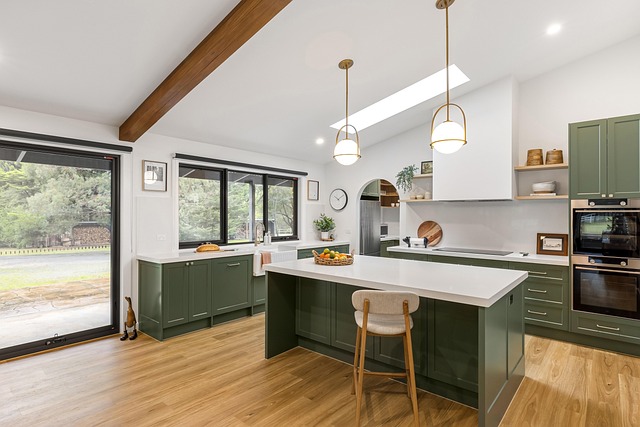
A detailed project list is the backbone of your home renovation budget. It’s where dreams start to take shape.
Begin by outlining every aspect of your renovation. From structural changes to cosmetic updates, nothing should be overlooked. Each task should have its specific details, such as room dimensions or materials needed.
This clarity helps in estimating costs accurately and keeps you organized throughout the process. Break larger projects into smaller tasks for a more manageable approach. For example, instead of just “kitchen remodel,” specify items like cabinet installation or countertop selection.
Consulting with contractors can provide insights on what needs attention first and help refine your list further.
Having this comprehensive reference will not only guide spending but also ensure that priorities are clear as you tackle each stage of the renovation journey.
Research and Estimation: Gathering Accurate Cost Data
To effectively budget for a home renovation, accurate cost data is essential. Start by researching average home renovation costs in your area. Websites like HomeAdvisor or Angie’s List can provide valuable insights.
Don’t forget to break down expenses into categories such as materials, labor, and permits. This will help you see where the bulk of your funds will go.
Reach out to local contractors for estimates on specific tasks. Get multiple quotes; this allows for comparison and could reveal hidden savings.
Additionally, factor in potential setbacks like unexpected repairs or price fluctuations. Having a comprehensive understanding fosters more precise budgeting.
Consider utilizing online tools and calculators specifically designed for estimating renovation costs. These resources can streamline your planning process while minimizing surprises along the way.
Breaking Down the Budget: Allocating Funds to Each Stage
When creating a home renovation budget, breaking down your funds is crucial. Start by dividing your project into stages. Each stage should have its own allocated amount based on priority and anticipated costs.
Begin with the essentials: structural work, plumbing, and electrical systems often take precedence. These are foundational elements that can’t be overlooked.
Next, consider aesthetic aspects like flooring and fixtures. Set aside a specific percentage for these upgrades while being mindful of overall spending limits.
Don’t forget to factor in labor costs alongside materials. Skilled tradespeople add value but come at a price. Ensure you account for both when planning each segment of your renovation.
Finally, allow room for adjustments within each category as estimates evolve throughout the project. A flexible approach keeps you prepared for any surprises while maintaining control over your finances.
The Contingency Fund: Preparing for the Unexpected

When embarking on a home renovation, surprises are almost inevitable. That’s where a contingency fund comes into play. This financial safety net shields you from unexpected expenses that often arise during projects.
Experts recommend setting aside 10% to 20% of your total renovation budget for these unplanned costs. Whether it’s discovering mold behind walls or needing upgraded plumbing, having this cushion can prevent stress and delays.
To create an effective contingency fund, assess the potential risks specific to your project. Older homes may face more hidden issues compared to newer constructions. By anticipating challenges, you’ll feel better equipped when they pop up.
Remember, it isn’t just about allocating funds; it’s about how you use them wisely when the time comes. A well-managed contingency can turn hiccups into mere bumps in the road rather than major setbacks in your renovation journey.
Prioritizing Needs vs. Wants: Making Smart Financial Choices
When embarking on a home renovation, distinguishing between needs and wants is essential. Needs are the fundamental changes that improve safety or functionality. For instance, repairing plumbing issues or updating electrical systems should be top priorities.
Wants, however, often revolve around aesthetics or luxury. A stylish new backsplash might enhance your kitchen’s look but isn’t necessary for its operation. Identifying these distinctions helps streamline your renovation budget.
List out each element of your project and categorize them as either needs or wants. This will allow you to allocate funds intelligently and avoid potential pitfalls during the process.
Keep in mind that preferences can evolve over time. What seems like a want today may become more significant later on based on lifestyle changes. Staying flexible ensures you make decisions that align with both current requirements and future aspirations while managing overall renovation costs effectively.
Sourcing Materials and Labor: Finding Cost-Effective Options
Finding cost-effective materials and labor is essential for sticking to your home renovation budget. Start by exploring local suppliers who offer competitive prices without sacrificing quality. Salvage yards and online marketplaces can be goldmines for reclaimed wood, fixtures, or appliances.
Don’t forget to tap into community resources like social media groups or neighborhood forums. Often, you’ll find recommendations for skilled tradespeople who charge reasonable rates. Networking with friends and family may yield valuable contacts as well.
When it comes to DIY projects, consider your skill level carefully. While some tasks might be easy enough to handle yourself, others are best left to professionals. Weigh the potential savings against the risk of costly mistakes that could arise from inexperience.
Always compare quotes from multiple contractors before making a decision; this ensures you get the best value while adhering to your renovation costs constraints.
Financing Your Renovation: Exploring Loan and Savings Options
When it comes to financing your home renovation, exploring various options is essential. Traditional loans are a common choice. Personal loans or home equity lines of credit (HELOCs) can provide the necessary funds without significantly disrupting your budget.
Consider tapping into savings as well. If you have an emergency fund, think about allocating a portion to cover renovation costs. This approach avoids debt and interest payments.
Another option is government-backed loans, which often come with lower interest rates for qualified homeowners. Research programs available in your area that support renovations aimed at improving energy efficiency or accessibility.
Crowdfunding platforms can also be an innovative way to finance specific projects through community contributions or family support. Each method has its pros and cons, so weigh them carefully against your financial situation before committing to any plan.
Tracking Expenses: Monitoring Your Budget Throughout the Project

Tracking expenses is crucial during a home renovation. As projects progress, costs can spiral unexpectedly. Keeping a close eye on each expense helps prevent budget overruns.
Create a simple spreadsheet or use an app to log every purchase and payment. Document materials, labor costs, and any additional fees that arise. This transparency keeps you informed about your financial status.
Regularly reviewing your spending against the initial budget allows you to identify discrepancies early on. If one area exceeds expectations, look for savings in another section to maintain overall balance.
Don’t forget to account for small purchases too; they add up quickly over time. With diligent tracking, you’ll stay in control of your renovation budget while making more informed decisions as challenges arise throughout the project.
Avoiding Overspending: Tips for Staying on Track
Staying on budget during a home renovation is a challenge, but it’s achievable with the right strategies. Start by setting a clear budget and sticking to it. Write down every expense to maintain awareness of where your money goes.
Next, prioritize your must-haves over nice-to-haves. This ensures that essential aspects of your project receive funding before you splurge on extras.
Consider involving professionals for estimates early in the planning process. Their insights can help identify potential pitfalls and prevent costly mistakes later.
Don’t forget about DIY opportunities, which often save cash while allowing you to personalize your space. Just be cautious not to take on more than you can handle; quality matters too.
Regularly review your finances throughout the project. Adjustments may be necessary if expenses begin creeping up, ensuring you remain aligned with your initial intentions without sacrificing quality or vision.
Review and Adjust: Adapting Your Budget as Needed
As your renovation progresses, it’s essential to keep an eye on your home renovation budget. Changes and surprises often arise that can affect costs.
Regular check-ins allow you to spot discrepancies early. If certain materials are more expensive than expected, or if labor costs fluctuate, you’ll want to adapt quickly.
If a specific aspect of the project is costing more, consider reallocating funds from less critical areas. This flexibility ensures that the most important aspects of your renovation remain intact.
Don’t hesitate to consult with contractors or suppliers for insights into potential savings. They can suggest alternatives or adjustments that may not have crossed your mind.
Keeping an open line of communication about financial changes with all parties involved fosters transparency and helps avoid misunderstandings as you move forward with your renovations.
Post-Renovation Budget Check: Ensuring Financial Closure
After the dust settles and your home transformation is complete, it’s essential to conduct a thorough post-renovation budget check. This step ensures that you have clarity on your financial commitments and can celebrate your achievements without lingering concerns.
Start by reviewing all expenses against your initial renovation budget. Look at every line item—materials, labor costs, permits, and any unforeseen expenditures. Comparing this data will help you understand where you stayed within limits and where overspending may have occurred.
Documenting these figures not only serves as a valuable reference for future projects but also aids in recognizing patterns in spending. Did specific areas consistently go over budget? Were there unexpected costs that could be mitigated next time? These insights are crucial for honing your budgeting skills.
It’s also wise to keep all invoices and receipts related to the renovation project organized. Having this paperwork accessible helps if any disputes arise with contractors or suppliers down the road.
Finally, take some time to appreciate what you’ve accomplished with your new space while reflecting on how well you’ve managed finances throughout the process. A successful renovation isn’t just about creating an aesthetically pleasing environment; it’s about achieving it within a smart financial framework that allows for both enjoyment of the space now created and peace of mind regarding its impact on your wallet moving forward.