
Painting the internal walls of a double brick plaster house can breathe new life into your home, refreshing tired spaces and protecting your walls for years to come. These types of houses are often solid and well-insulated, but the interior plaster walls may need some care before repainting, especially if there’s old, flaking paint or cracks from movement or age.
In this article, we’ll walk you through the complete process: repairing damaged areas, preparing the surface, and applying a professional-grade finish using Taubman’s undercoat and top coat products.
Tools and Materials You’ll Need:
- Drop sheets or plastic sheeting
- Masking tape
- Safety gear (gloves, dust mask, goggles)
- Paint scraper or putty knife
- Sandpaper (medium and fine grit) or electric sander
- Filling compound or plaster repair mix
- Broad knife or trowel
- Primer/undercoat (Taubmans Undercoat)
- Top coat paint (Taubmans Interior Acrylic or preferred finish)
- Paintbrushes and rollers (synthetic bristle for acrylics)
- Roller tray
- Extension pole (optional)
- Clean rags and water bucket
Inspect and Repair the Plaster Walls
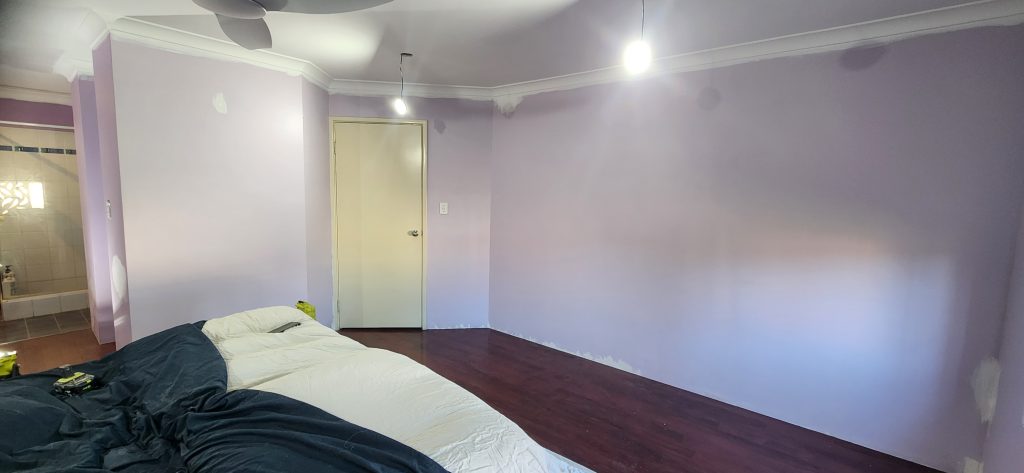
Start by inspecting the walls for cracks, holes, or loose plaster. Double brick homes often develop minor movement cracks over time, particularly around windows and doors.
- Cracks and holes: Use a scraper to widen any cracks slightly so the filler adheres better. Apply a plaster repair compound or a suitable filler, using a broad knife or trowel to smooth it flush with the wall.
- Loose plaster: Tap gently to check for hollow sounds. If plaster is loose, remove it, and patch the area using a plaster base and top coat, allowing proper drying between layers.
Let all repairs cure fully before sanding or painting.
Remove Old, Damaged or Flaking Paint
Peeling or flaking paint must be completely removed to ensure a long-lasting finish. Use a paint scraper or putty knife to remove all loose material.
- For stubborn areas, use a heat gun carefully or apply a chemical paint stripper (only if necessary and with proper ventilation).
- Sanding: Once the majority of the flaking paint is removed, sand the surface with medium-grit sandpaper (e.g. 120 grit) to smooth edges and remove remaining paint film. Use fine-grit sandpaper (180–240 grit) for a final pass.
Vacuum or wipe walls down to remove all dust.
Prepare for Painting
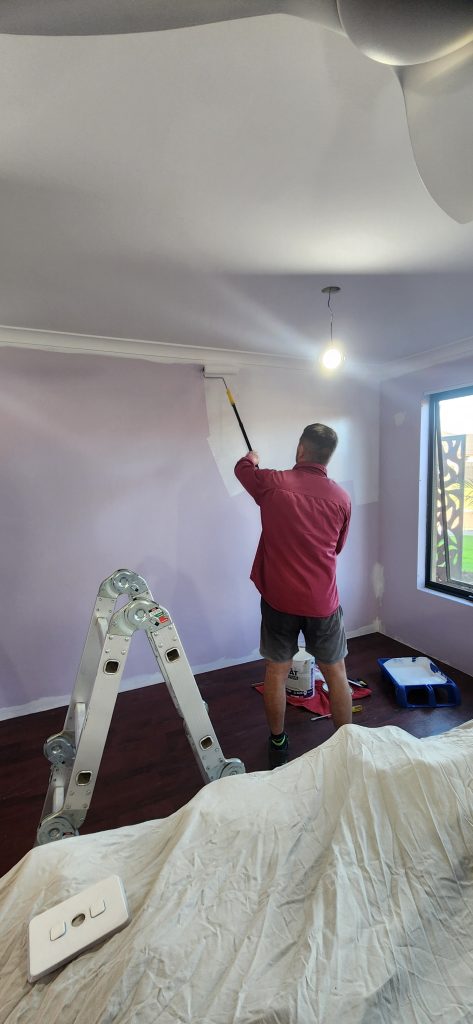
- Protect floors with drop sheets.
- Mask off skirting boards, windows, and any fixtures.
- Ensure the room is well-ventilated.
If there are water stains or discolouration, consider using a stain-blocking primer before your undercoat.
Apply Undercoat – Taubman’s Undercoat
A high-quality undercoat is crucial, especially when painting over previously painted or patched plaster walls. The Taubman’s Undercoat is designed to seal and prime surfaces, offering excellent adhesion for the top coat.
- Application: Use a brush for corners and edges, and a roller for large wall areas. Apply evenly and avoid heavy build-up.
- Drying time: Allow the undercoat to dry according to Taubman’s manufacturer’s instructions, typically 4 to 6 hours under normal conditions.
The undercoat also helps identify any imperfections that may need a quick sand or patch before moving on.
Apply the Top Coat – Taubman’s Interior Finish
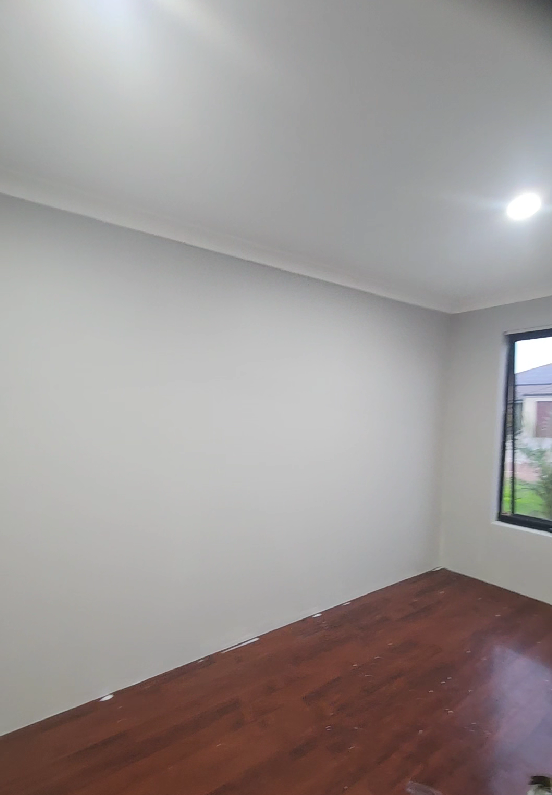
Taubman’s offers a range of interior acrylic paints, suitable for plaster surfaces in high-traffic areas. Choose a finish that suits the room’s function:
- Matt for living areas or bedrooms
- Low Sheen for family rooms and hallways
- Satin or Semi-Gloss for kitchens and bathrooms
Apply two coats for best results:
- First coat: Cut in with a brush, then roll the rest of the wall. Work in sections and maintain a wet edge to avoid roller marks.
- Second coat: Once the first coat is fully dry (usually 2–4 hours), lightly sand any bumps or imperfections, then apply the final coat.
Ensure consistent roller pressure for a uniform finish.
Final Tips:
- Don’t skip the undercoat, especially on patched or previously flaking walls.
- Use good-quality brushes and rollers to avoid lint or streaks.
- Always stir paint thoroughly before use.
Conclusion
Painting internal plaster walls in a double brick home is a rewarding DIY project when done properly. Taking the time to repair, prepare, and use the right products like Taubman’s Undercoat and Top Coat will give you a smooth, professional finish that lasts for years. With the right tools and methodical steps, you can transform your space with confidence.