
Your home is your sanctuary, a place of comfort and security. But lurking just out of sight, a vital system works tirelessly to protect your investment from the damaging effects of rain and debris: your gutters. Often overlooked until a problem arises, regular gutter cleaning and maintenance are paramount for the longevity and structural integrity of your home. Neglecting this essential task can lead to a cascade of costly issues, from water damage and pest infestations to foundation problems.
The Silent Guardians: Why Clean Gutters are Crucial for Your Home
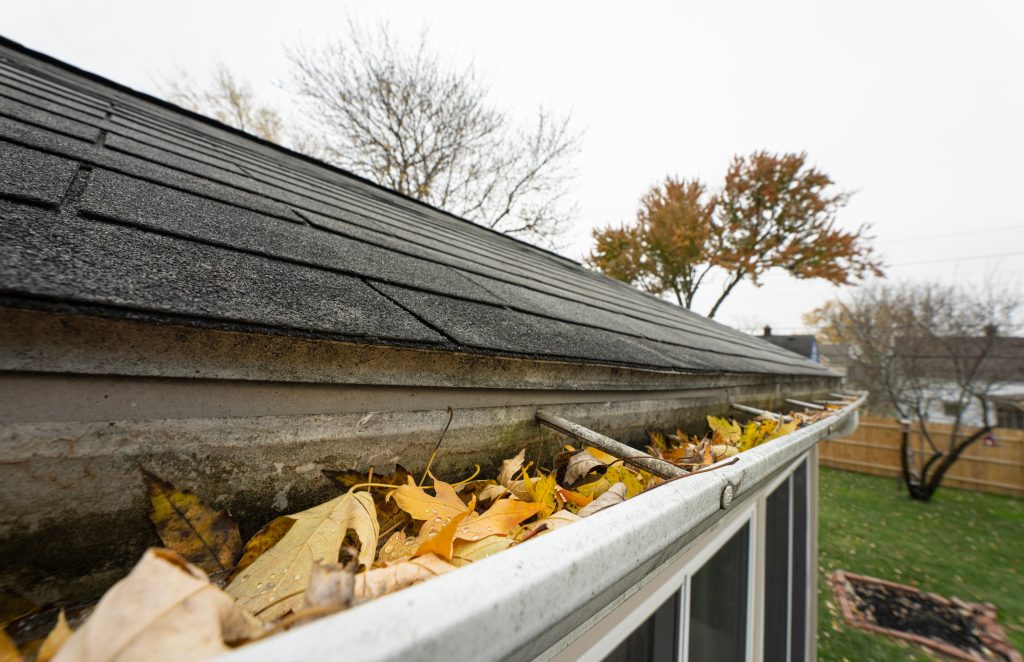
This comprehensive guide will delve into the critical importance of clean gutters, how often you should tackle this chore, who is best suited for the job, and a detailed step-by-step process to ensure your home’s drainage system functions flawlessly. Whether you’re a seasoned DIY enthusiast or prefer to leave it to the professionals, understanding the nuances of gutter care is an investment in your home’s future.
Gutters are more than just metal troughs attached to your roofline. They form an integral part of your home’s water management system, designed to channel rainwater away from your roof, walls, foundation, and landscaping. When functioning correctly, gutters prevent a host of problems that can compromise the structural integrity and aesthetic appeal of your property. Here’s a closer look at why clean gutters are so important:
- Preventing Water Damage: This is the most significant benefit of clean gutters. When gutters are clogged with leaves, twigs, and other debris, rainwater has nowhere to go but to overflow. This overflow can run down your siding, leading to:
- Staining and Discoloration: Water streaks can mar the appearance of your siding, requiring costly cleaning or even replacement.
- Rot and Decay: Moisture trapped against wood siding can lead to rot, weakening the structure and attracting pests.
- Mold and Mildew Growth: Damp conditions encourage the growth of mold and mildew, which can damage building materials and pose health risks to your family.
- Damage to Windows and Doors: Water pooling around window and door frames can cause leaks, warping, and premature deterioration.
- Protecting Your Foundation: Overflowing gutters can saturate the soil around your foundation. This excess moisture can exert hydrostatic pressure, leading to:
- Cracks in the Foundation: Foundation cracks can compromise the structural stability of your home and allow water to seep into your basement or crawl space.
- Basement Flooding: Water intrusion in the basement can damage belongings, create a breeding ground for mold, and necessitate costly repairs.
- Shifting and Settling: Uneven soil moisture can cause the foundation to shift or settle, leading to structural problems throughout the house.
- Safeguarding Your Roof: Clogged gutters can trap water on your roof, leading to:
- Damage to Roofing Materials: Standing water can deteriorate shingles, underlayment, and flashing, shortening the lifespan of your roof.
- Leaks: Trapped water can find its way under roofing materials, causing leaks into your attic and interior spaces.
- Ice Dams: In colder climates, clogged gutters can contribute to the formation of ice dams, which can further damage the roof and cause significant leaks.
- Preventing Pest Infestations: Gutters filled with organic debris create an ideal environment for various pests:
- Mosquitoes: Stagnant water in clogged gutters is a breeding ground for mosquitoes, increasing the risk of bites and disease transmission.
- Rodents: Leaves and debris provide shelter and nesting material for mice and rats, which can then find their way into your home.
- Insects: Ants, earwigs, and other insects thrive in the damp, decaying matter found in clogged gutters.
- Maintaining Landscaping: Overflowing gutters can erode soil, damage plants, and disrupt the grading around your home, potentially leading to drainage issues in your yard.
- Enhancing Curb Appeal: Clean gutters contribute to the overall appearance of your home. Overflowing gutters with visible debris can detract from your1 property’s aesthetic appeal.
Ignoring gutter maintenance is a classic example of being penny-wise and pound-foolish. The relatively small effort and cost of regular cleaning can save you from significant and expensive repairs down the line.
The Rhythm of Removal: How Often Should You Clean Your Gutters?
The frequency with which you need to clean your gutters depends on several factors, primarily the amount and type of vegetation around your home. However, a general guideline is to clean your gutters at least twice a year:
- Late Spring/Early Summer: This cleaning removes debris that has accumulated over the fall and winter, such as fallen leaves, twigs, seeds, and blossoms. Spring rains can compact this debris, making it harder to remove later.
- Late Fall: This is arguably the most crucial cleaning of the year. It removes the bulk of fallen leaves before winter arrives. Leaving leaves in gutters over winter can lead to ice dams, heavy, waterlogged debris that can damage the gutters themselves, and block spring runoff.
However, these are just minimum recommendations. You may need to clean your gutters more frequently if:
- You have many trees around your home, especially deciduous trees that shed their leaves in the fall. Pine needles can also accumulate and clog gutters.
- Your home is located in an area with frequent storms or high winds, which can deposit more debris in your gutters.
- You notice signs of clogging, such as slow drainage, overflowing gutters during rain, or visible debris buildup.
Don’t wait for a problem to arise. Regularly inspecting your gutters, especially after heavy storms or during periods of significant leaf fall, can help you determine if an extra cleaning is necessary.
Who Can Tame the Troughs? Your Options for Gutter Cleaning
When it comes to cleaning your gutters, you have a few options:
- DIY (Do-It-Yourself): If you are comfortable working at heights, have the necessary equipment, and are physically capable, cleaning your gutters yourself can save you money. However, it’s crucial to prioritize safety and take the proper precautions.
- Professional Gutter Cleaning Services: Hiring professionals ensures the job is done thoroughly and safely. They have the experience, specialized tools, and insurance to handle the task efficiently. This is a good option for homeowners who are uncomfortable with heights, lack the necessary equipment, or prefer the convenience of a professional service.
- Handyman Services: Some handyman services offer gutter cleaning as part of their broader home maintenance offerings. Ensure they have experience with gutter cleaning and proper insurance.
Factors to consider when choosing:
- Your Comfort Level with Heights: Working on a ladder can be dangerous if you are not comfortable or don’t have the proper safety equipment.
- Your Physical Capabilities: Gutter cleaning can be physically demanding, requiring climbing, bending, and lifting heavy debris.
- Time Commitment: Cleaning gutters can take several hours, depending on the size of your home and the amount of debris.
- Cost: DIY is the most cost-effective option in terms of direct expenses, but you’ll need to invest in equipment. Professional services will have a fee, but they save you time and effort.
- Safety: Professionals are trained in safety procedures and have the necessary insurance to cover any potential accidents.
The Art of Immaculate Inlets: A Step-by-Step Guide to Cleaning Your Gutters
If you choose the DIY route, follow these steps carefully to ensure a thorough and safe cleaning:
Safety First!
- Never work on a ladder alone. Have someone spot you and hold the base of the ladder.
- Use a sturdy ladder with non-slip feet. Ensure it is placed on level ground.
- Wear work gloves to protect your hands from sharp debris and potential contaminants.
- Wear safety glasses to protect your eyes from falling debris.
- Wear appropriate footwear with good traction.
- Avoid working in wet or windy conditions.
- Be aware of power lines and maintain a safe distance.
Equipment You’ll Need:
- Sturdy Ladder: Choose a ladder tall enough to reach your gutters comfortably without overextending. An adjustable ladder is often the most versatile.
- Work Gloves: Heavy-duty gloves will protect your hands from sharp edges, insects, and grime.
- Safety Glasses: Essential for protecting your eyes from falling debris.
- Small Scoop or Gutter Spoon: A plastic scoop designed for gutter cleaning is ideal for removing loose debris. Avoid using sharp metal tools that could damage the gutters.
- Garden Hose with a Spray Nozzle: Used to flush out remaining debris after manual removal.
- Bucket or Tarp: To collect the debris you remove from the gutters. A tarp laid out below can make cleanup easier.
- Old Clothes: Gutter cleaning can be a messy job.
- Optional: Leaf Blower (for dry debris), Stiff Brush (for stubborn buildup)
The Cleaning Process:
Step 1: Preparation and Safety Check
- Inform someone that you will be cleaning your gutters and when you expect to be finished.
- Set up your ladder securely on level ground. Ensure it is at a comfortable angle and reaches the gutter without you having to lean too far.
- Place your bucket or tarp below the section of gutter you will be cleaning.
Step 2: Manual Debris Removal
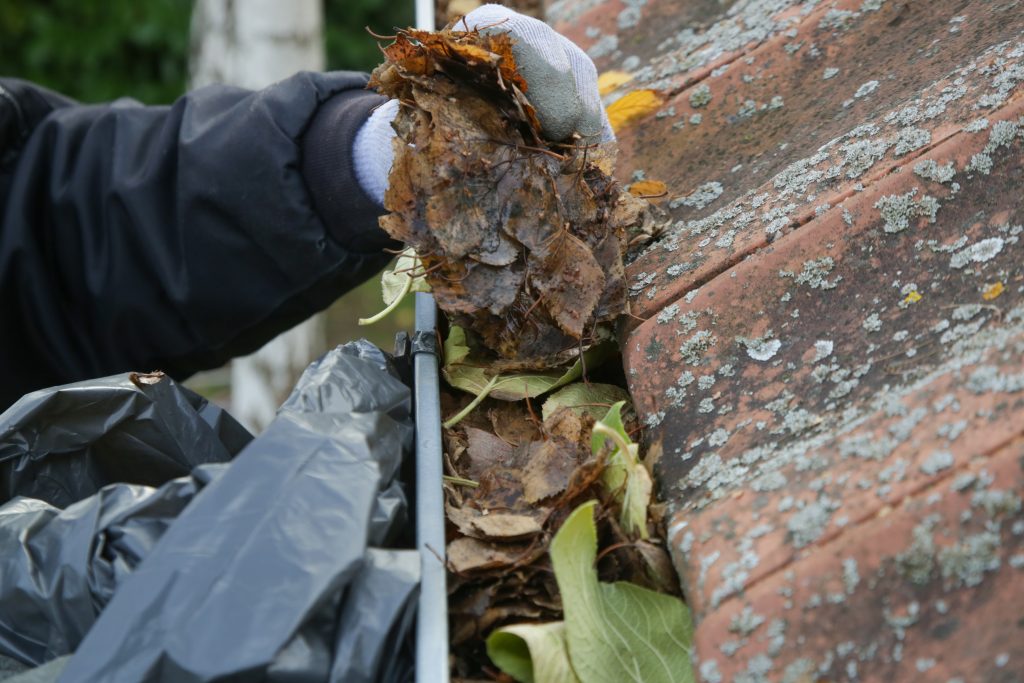
- Carefully climb the ladder and position yourself comfortably.
- Starting at one end of the gutter, use your scoop or gutter spoon to remove loose leaves, twigs, and other debris.
- Work your way along the gutter, depositing the debris into your bucket or onto the tarp below.
- Pay close attention to downspout openings, as these are often heavily clogged. Remove any visible blockages.
Step 3: Flushing the Gutters
- Once you have removed the bulk of the debris, use your garden hose with a spray nozzle to flush out any remaining dirt, sediment, and smaller particles.
- Start at the opposite end of the downspout and work your way towards it, allowing the water to carry the debris out.
- Observe the water flow to ensure it is draining freely through the downspouts.
Step 4: Checking and Clearing Downspouts
- If water is not draining freely, the downspout is likely clogged.
- Try flushing the downspout from the top with your hose.
- If the blockage persists, you may need to try other methods:
- Plumber’s Snake: A flexible plumber’s snake can be inserted into the downspout to break up and remove clogs.
- Leaf Blower (Reverse Function): Some leaf blowers have a reverse function that can be used to blow debris out of the downspout from the bottom.
- Disassembling the Downspout: In some cases, you may need to temporarily disassemble a section of the downspout to access and remove the blockage. Be sure you know how to reassemble it correctly.
Step 5: Inspecting the Gutters and Downspouts
- Once the gutters are clean and the downspouts are clear, inspect the entire system for any signs of damage, such as:
- Leaks: Check for cracks, holes, or loose seams.
- Sagging or Misalignment: Ensure the gutters are properly attached to the fascia board and have a slight slope towards the downspouts.
- Rust or Corrosion: Address any signs of rust to prevent further deterioration.
- Loose Fasteners: Tighten any loose screws or nails securing the gutters.
Step 6: Cleanup
- Gather the debris from your bucket or tarp and dispose of it properly (e.g., compost bin, yard waste collection).
- Rinse off your tools and store them appropriately.
Optional Gutter Protection:
Consider installing gutter guards or screens to help prevent debris from accumulating in the first place. These can significantly reduce the frequency of cleaning required. Various types are available, including mesh screens, foam inserts, and brush guards. Research the best option for your specific needs and the type of debris common in your area.
Investing in Prevention: The Long-Term Benefits of Gutter Maintenance

Regular gutter cleaning is not just a seasonal chore; it’s a proactive investment in the long-term health and value of your home. By preventing water damage, protecting your foundation and roof, deterring pests, and maintaining your landscaping, you are safeguarding your most significant asset.
While DIY cleaning can be a cost-effective option for some, don’t underestimate the value of professional gutter cleaning services. Their expertise and equipment can ensure a thorough job, identify potential issues you might miss, and provide peace of mind knowing the task is handled safely and efficiently.
Ultimately, whether you choose to tackle it yourself or hire a professional, prioritizing gutter maintenance is a crucial aspect of responsible homeownership. By understanding the importance of clean gutters, the ideal cleaning frequency, and the proper cleaning techniques, you can ensure your home remains protected from the damaging effects of water for years to come. So, take the time to care for these silent guardians of your home – your wallet and your peace of mind will thank you.