
Renovating your home is an exciting adventure, one that offers endless possibilities to transform your space into a true reflection of who you are. But before you dive headfirst into paint swatches and furniture shopping, there’s an essential question to tackle: What is my design style? Understanding your interior design style can shape the entire renovation process, guiding choices that harmonize aesthetics with functionality. Whether you’re drawn to modern elegance or cozy farmhouse vibes, pinpointing your unique aesthetic will set the stage for a successful transformation.
Feeling overwhelmed by all the options out there? You’re not alone. Many homeowners grapple with defining their home renovation style amidst a sea of trends and ideas. Fear not! With some thoughtful exploration and our step-by-step roadmap, you’ll discover how to choose a design that resonates with your lifestyle and taste—making every decision feel like second nature as you breathe new life into your home. Let’s embark on this journey together!
- Step-by-Step: Your Roadmap to Defining Your Design Style
- Start with the Basics: Considering Architecture and Existing Elements
- Room by Room: Thinking About Function and Flow
- Color Palettes and Textures: Building Blocks of Your Aesthetic
- Furniture and Decor: Key Elements That Define Your Style
- Blending Styles Harmoniously: Embracing Eclecticism with Intention
- Budget-Friendly Style: Achieving Your Vision Without Breaking the Bank
- Seeking Inspiration: Where to Find Ideas and Visualize Your Space
Step-by-Step: Your Roadmap to Defining Your Design Style
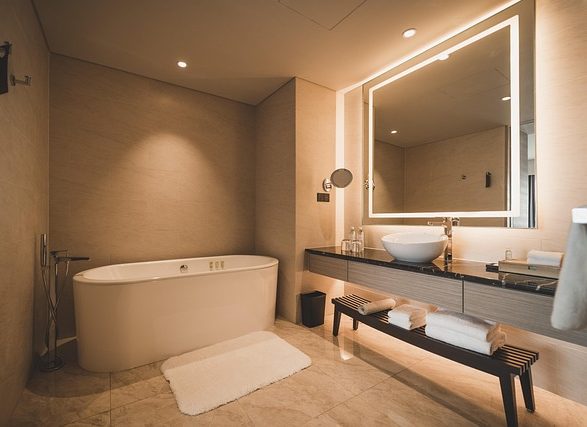
Defining your design style can feel like a puzzle, but breaking it down into manageable steps makes it easier. Start by exploring what resonates with you visually. Create a mood board using images from magazines or platforms like Pinterest that catch your eye.
Next, think about the spaces you love most—what features draw you in? Is it the soothing colors of coastal decor or the sleek lines of modern minimalism? Jot down these observations for reference.
Consider how each room will be used and who will inhabit them. Functionality should guide your choices as much as aesthetics do.
As you narrow down options, don’t shy away from mixing elements that speak to different styles within your theme. This approach lets your personality shine through while maintaining a cohesive look throughout your home renovation journey.
Start with the Basics: Considering Architecture and Existing Elements
When embarking on your home renovation journey, it’s essential to start with the basics. Your home’s architecture is like a canvas that influences every design decision you make. Whether it’s modern, traditional, or something in between, understanding its structure will guide your choices.
Take a close look at existing elements—those charming moldings or vintage fixtures can add character and depth to your style. They aren’t just remnants of the past; they’re opportunities for integration into your new vision.
Consider how these architectural features can complement various interior design styles. For instance, sleek lines may work well with minimalism while ornate details could shine in a more traditional setting.
By honoring what already exists, you create harmony between old and new—making each room feel both cohesive and thoughtfully curated as part of a larger whole.
Room by Room: Thinking About Function and Flow
When renovating your home, it’s essential to consider function and flow in each room. Start by envisioning how you use the space daily. What activities take place there? Understanding this helps shape your design choices.
Think about traffic patterns. Is there enough room for movement? Plan furniture placement that encourages conversation while ensuring pathways are clear.
In a kitchen, ensure work zones are efficient—prep areas near cooking spaces allow for smoother meal prep. In living rooms, cozy seating can invite gatherings.
Each room serves a unique purpose; align your design style accordingly. A serene bedroom requires calming colors and soft textures, while an energizing home office benefits from bright hues and functional furniture.
This thoughtful approach ensures every space feels cohesive yet serves its distinct role in your life.
Color Palettes and Textures: Building Blocks of Your Aesthetic
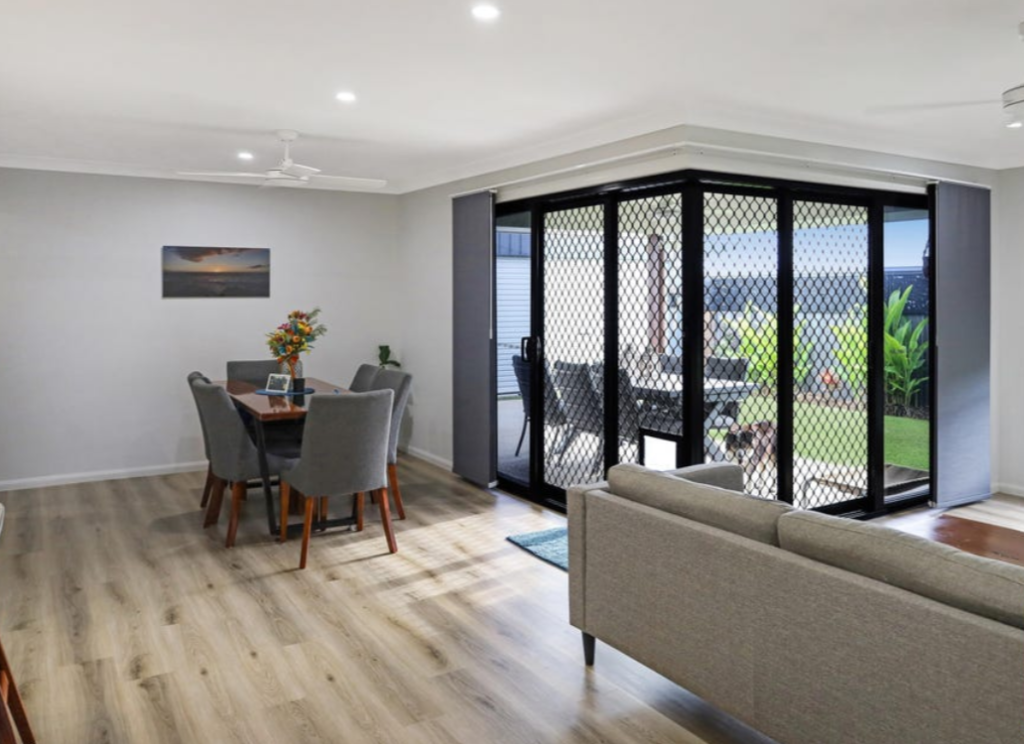
Color palettes and textures are essential to your home design style. They set the mood of each space, creating an atmosphere that reflects your personality.
Start by choosing a primary color that resonates with you. This will anchor your design choices throughout the renovation. Complement it with secondary colors that harmonize while offering contrast.
Textures play a crucial role too. Think about combining smooth surfaces like glass or metal with warmer, tactile materials such as wood or fabric. Mixing these elements can add depth and interest to any room.
Consider how light interacts with your chosen colors and textures. Natural light can transform hues, bringing them to life in unexpected ways.
Experiment freely during this phase; use swatches or digital tools to visualize different combinations before committing. Your aesthetic should feel cohesive yet dynamic, inviting warmth into every corner of your home.
Furniture and Decor: Key Elements That Define Your Style
Furniture and decor are the heartbeat of your home design style. They tell your story, reflecting who you are.
Think about furniture first — its shape, material, and color. A sleek mid-century modern sofa can create a minimalist vibe, while a plush farmhouse couch invites warmth and comfort.
Next comes decor. Accessories like art pieces, throw pillows, and rugs add personality to each room. Consider the patterns that speak to you; bold prints might echo an eclectic spirit while soft textures promote tranquility.
Don’t overlook functionality either. Your choices should align with how you live day-to-day. If entertaining is important, opt for versatile seating arrangements that adapt to gatherings.
Mixing these elements requires intention but allows for creativity—each piece can harmonize or contrast beautifully within your chosen aesthetic framework.
Blending Styles Harmoniously: Embracing Eclecticism with Intention
Blending different design styles can create a unique and inviting space. It’s like mixing various ingredients to craft a signature dish. The key is to embrace eclecticism with intention.
Start by selecting a dominant style that resonates with you. Let it be the foundation for your home’s aesthetic. From there, introduce complementary elements that enhance rather than clash.
For instance, pair rustic farmhouse pieces with sleek modern furniture. This contrast can add depth and character. Use color palettes or textures as bridges between styles; they unify diverse elements seamlessly.
Personal artifacts or heirlooms are excellent for adding charm and storytelling to your decor mix. These treasures create focal points while showcasing individuality.
Be mindful of scale and proportion throughout your space too—this ensures harmony remains intact, even amidst variety. Ultimately, your home should reflect who you are while celebrating the beauty of differences in design.
Budget-Friendly Style: Achieving Your Vision Without Breaking the Bank
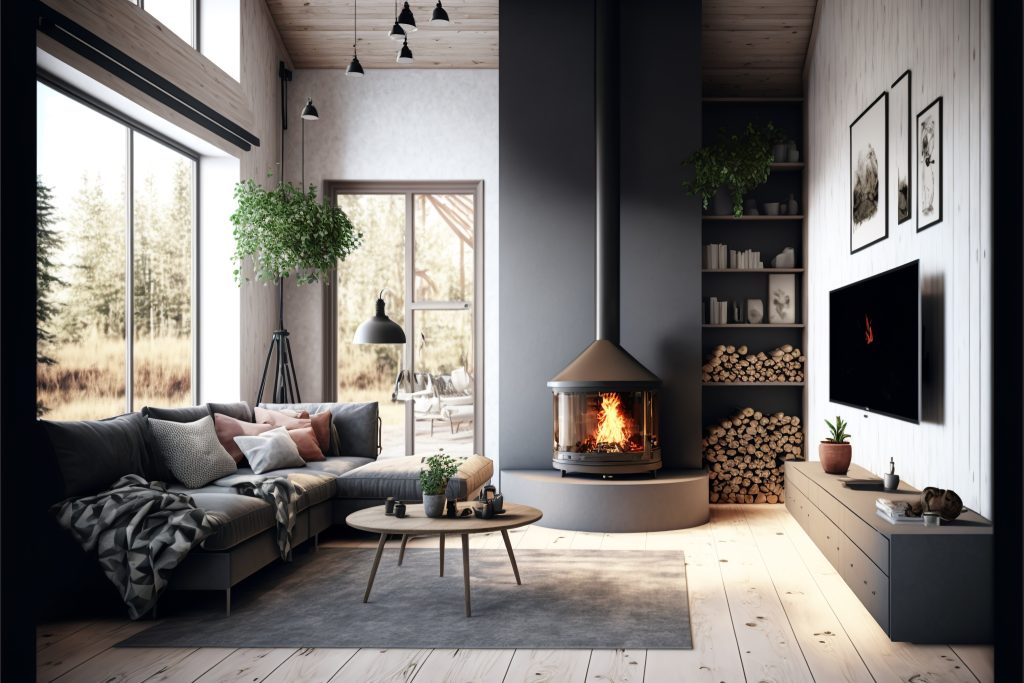
Creating a beautiful home doesn’t have to drain your wallet. It’s all about being smart with your choices. Start by prioritizing what truly matters—invest in quality pieces that serve as the foundation of your design style.
Consider thrifting or upcycling furniture for unique statements without hefty price tags. A fresh coat of paint can dramatically transform a space, so don’t underestimate its power.
Don’t shy away from DIY projects; they’re budget-friendly and allow you to infuse personal touches into your home renovation journey. Even simple decor items can elevate a room’s look when combined thoughtfully.
Shop sales, use coupons, and explore local markets for affordable finds. Remember, it’s not always about how much you spend but how creatively you curate each element to reflect your distinct style while staying within budget limits.
Seeking Inspiration: Where to Find Ideas and Visualize Your Space
When it comes to finding inspiration for your home design style, the options are endless. Start by exploring platforms like Pinterest and Instagram, where you can scroll through a plethora of images that showcase various interior design styles. Create boards or save posts that resonate with you, compiling visuals that excite your imagination.
Don’t overlook magazines and books either; flipping through pages filled with beautiful spaces can spark fresh ideas. Visiting local showrooms or open houses will give you the chance to see how different elements come together in real life. If you’re feeling adventurous, consider attending home expos or design fairs—these events often feature new trends and innovative designs.
Online quizzes are also a fun way to discover what might suit your taste best. Many websites offer simple questionnaires that guide you toward identifying your aesthetic preferences based on lifestyle choices and personal likes.
Lastly, remember to trust your instincts while seeking inspiration. Let yourself be drawn to colors, textures, and furniture pieces without second-guessing every decision. Getting a feel for what excites you is key in shaping an environment where you’ll feel most at home. As you gather ideas from various sources, keep them organized in mood boards or digital files so they’re easy to reference later as you embark on this exciting journey of transforming your space into one reflective of who you truly are.